 AI or Authentic?
AI or Authentic?
AI or Authentic?
Home › Articles
How do you recognise AI-generated images, deepfakes and manipulated videos? Our guide explains the key signs, the technology behind them and how a serious authenticity check works - clear, honest and without scaremongering.
Over 1 million euros lost to an AI-manipulated German TV clip: how the investment scam works - and the three quick checks that expose celebrity deepfakes.
cl_intro_pruefberichte
From deepfakes to Sora: how to recognise AI-generated and manipulated videos - and how to get them checked.
The AI video generators that matter in 2026: Google Veo, Kling, Runway and open models - what they can do, how they label their output and how to spot their videos.
What is a deepfake? How they are created technically, how to recognize them in a video and what to do if you suspect fraud or a fake.
How to spot AI videos: the signs that reveal AI-generated and manipulated clips. Warning signs, checking steps, and why video is harder to verify than a photo.
How to spot Sora 2 videos: the moving watermark, C2PA provenance data and typical visual glitches - and how to place clips from OpenAI's video AI even after the shutdown.
AI photos keep getting better. These signs help you spot them - and this is how you check a suspicious image.
How to spot AI images: a practical guide to hands, eyes, text, shadows, and patterns. Learn the signs of AI-generated photos and where the naked eye reaches its limits.
Is this image AI-generated? The 60-second check: clarify the origin, read the picture, get a technical analysis - explained step by step, with a free checking tool.
Cloned voices and audio deepfakes: how to recognise fake calls and manipulated audio.
Fake profiles, romance scams, AI fraud: the most common schemes - and how to protect yourself.
Labeling duties, the AI Act and platform rules: what the law says when AI content is published.
Since August 2, 2026 deepfakes and AI content must be disclosed in the EU. What that means for your feed, who is affected and why a missing label proves nothing.
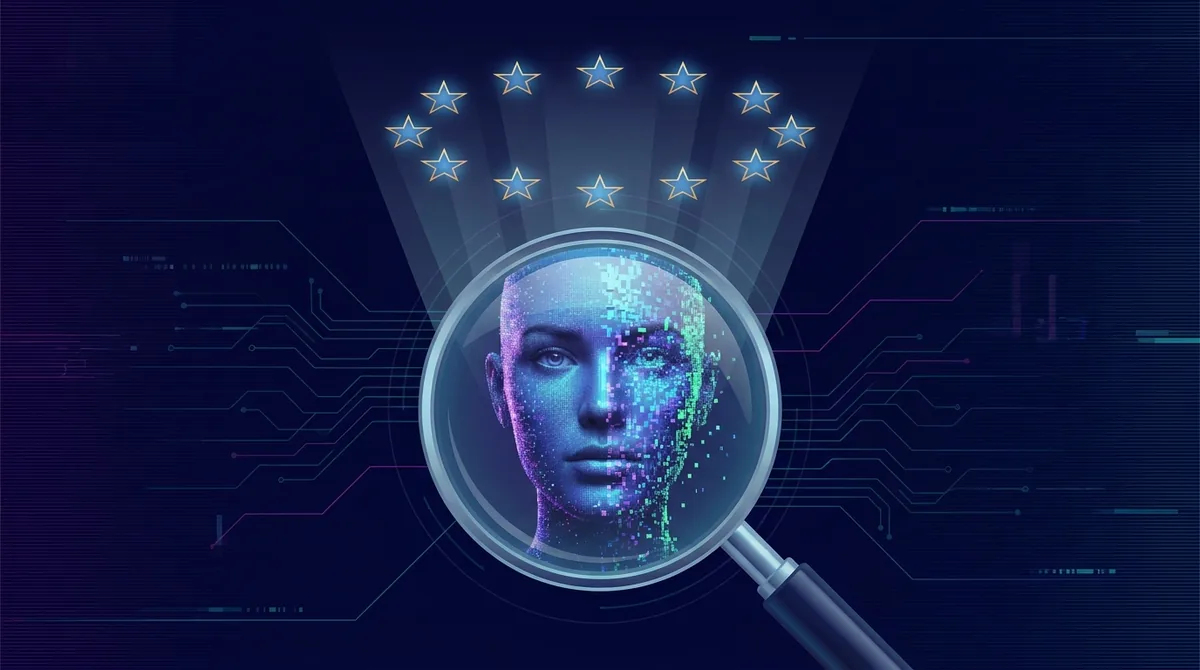
The EU's AI labeling obligation starts August 2, 2026: what Article 50 of the AI Act requires, who must disclose AI content, which exemptions apply, and why you should still verify content yourself.
How AI detection works, what watermarks can do and why media literacy matters now.
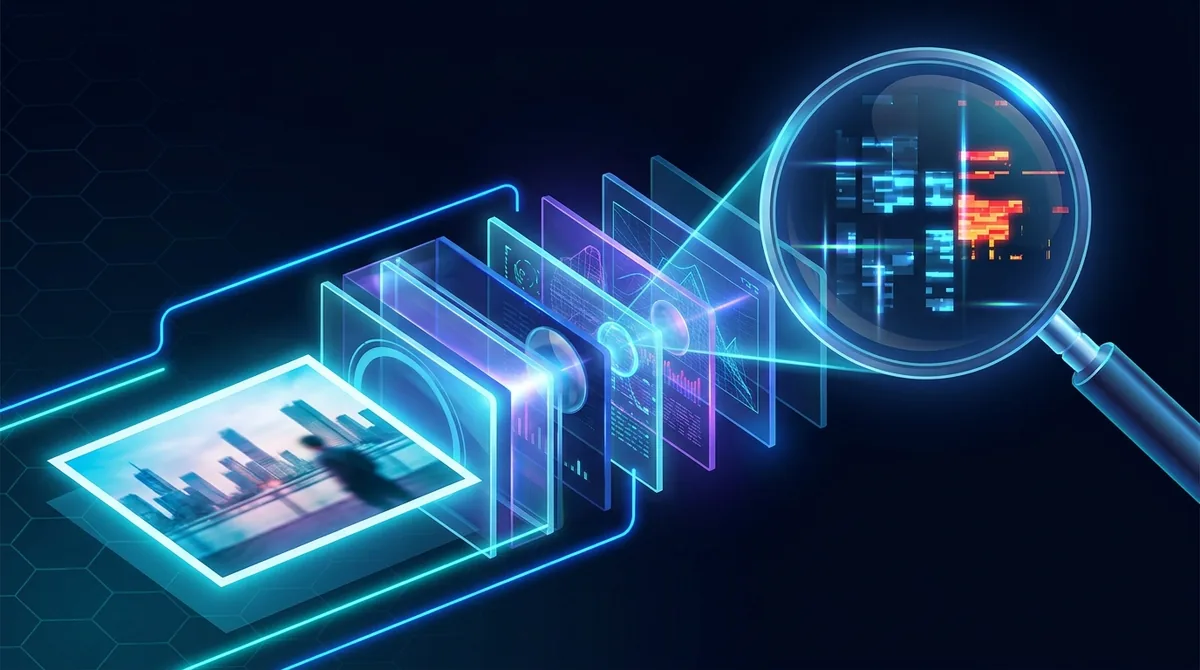
How AI detection works at aiorauthentic.com: C2PA provenance records, SynthID watermarks and a forensic model ensemble. Methodology and limits explained honestly.

C2PA, Content Credentials and SynthID explained: how signed metadata and invisible watermarks indicate the origin of images and videos.
AI media glossary: deepfake, generative AI, diffusion model, SynthID and C2PA explained clearly. The most important terms around AI images.
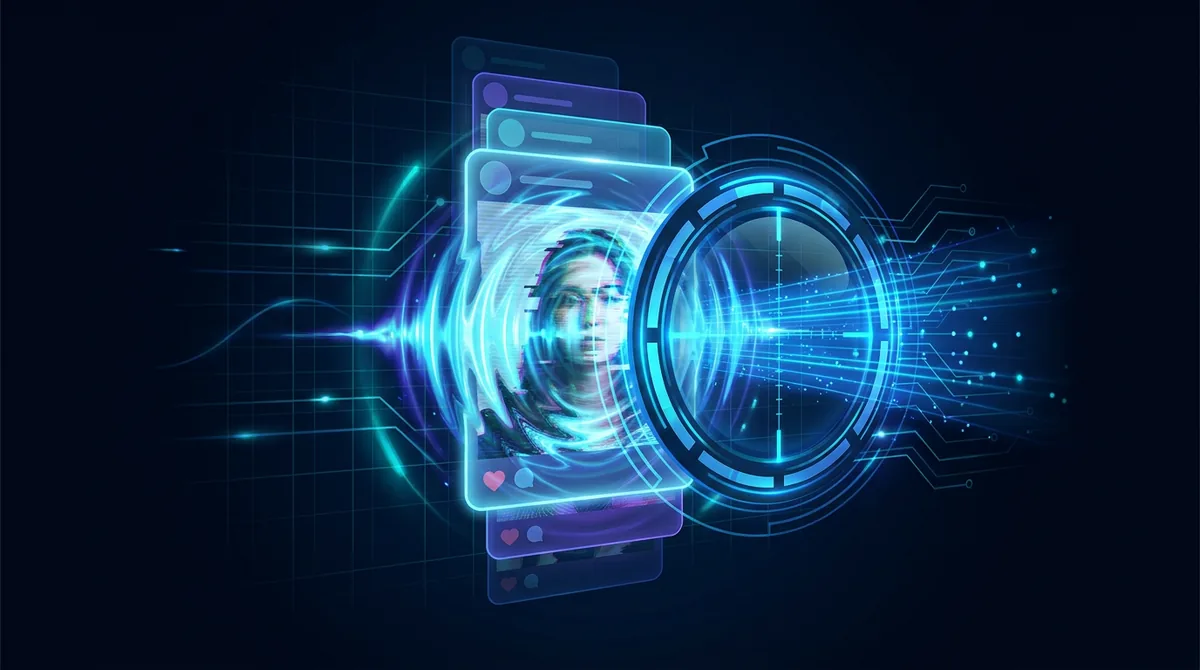
AI images fuel disinformation and fraud. Learn how to spot fake news, check media properly, and protect yourself from manipulated images and videos.
Want to know right away whether a piece of media is AI or real?